





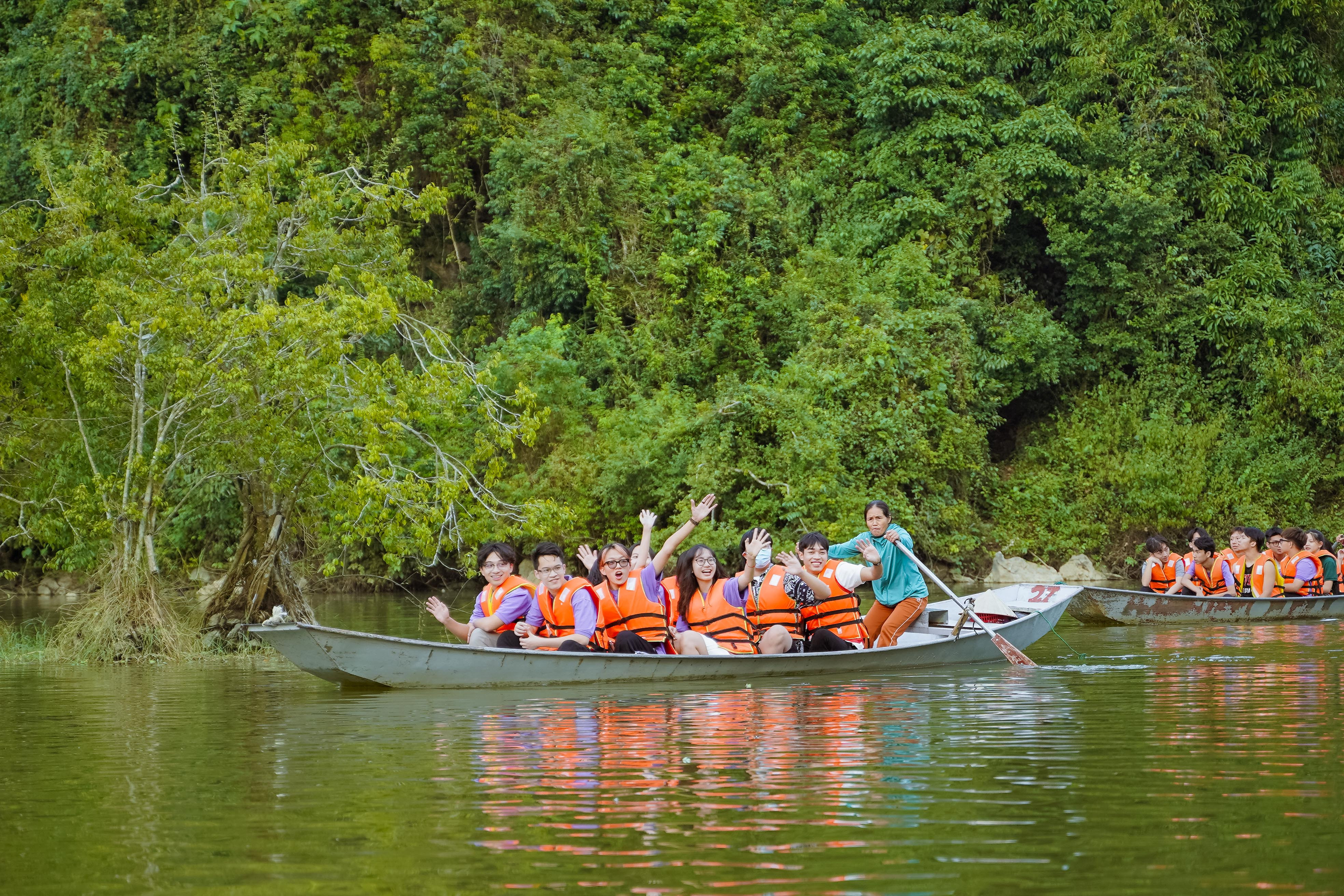
“Scientific Storytelling – Understanding the Human Body”: When Grade 8 Students Decode the “Language” of Body Systems
04/05/2026


“What happens if the heart has to work too hard?”, “How does the lungs’ functioning process take place?”, “How do bacteria attack our oral cavity?”
At the preliminary round of the interdisciplinary experiential learning project in Natural Science and Literature, “Scientific Storytelling – Understanding the Human Body,” Grade 8 students allowed different parts of the body to “speak,” gradually decoding the respiratory system, circulatory system, and oral health.
In this round, each class was divided into three thematic groups: “Protecting the Smile,” “Green Lungs,” and “Healthy Heart.” The students went through two main stages: presenting scientific stories combined with interactive activities, and engaging in hands-on science experiences. With guidance from their teachers, they were oriented on how to transform scientific knowledge into easy-to-understand narratives, while also designing activities that allowed participants to directly engage, remember, and apply what they learned.
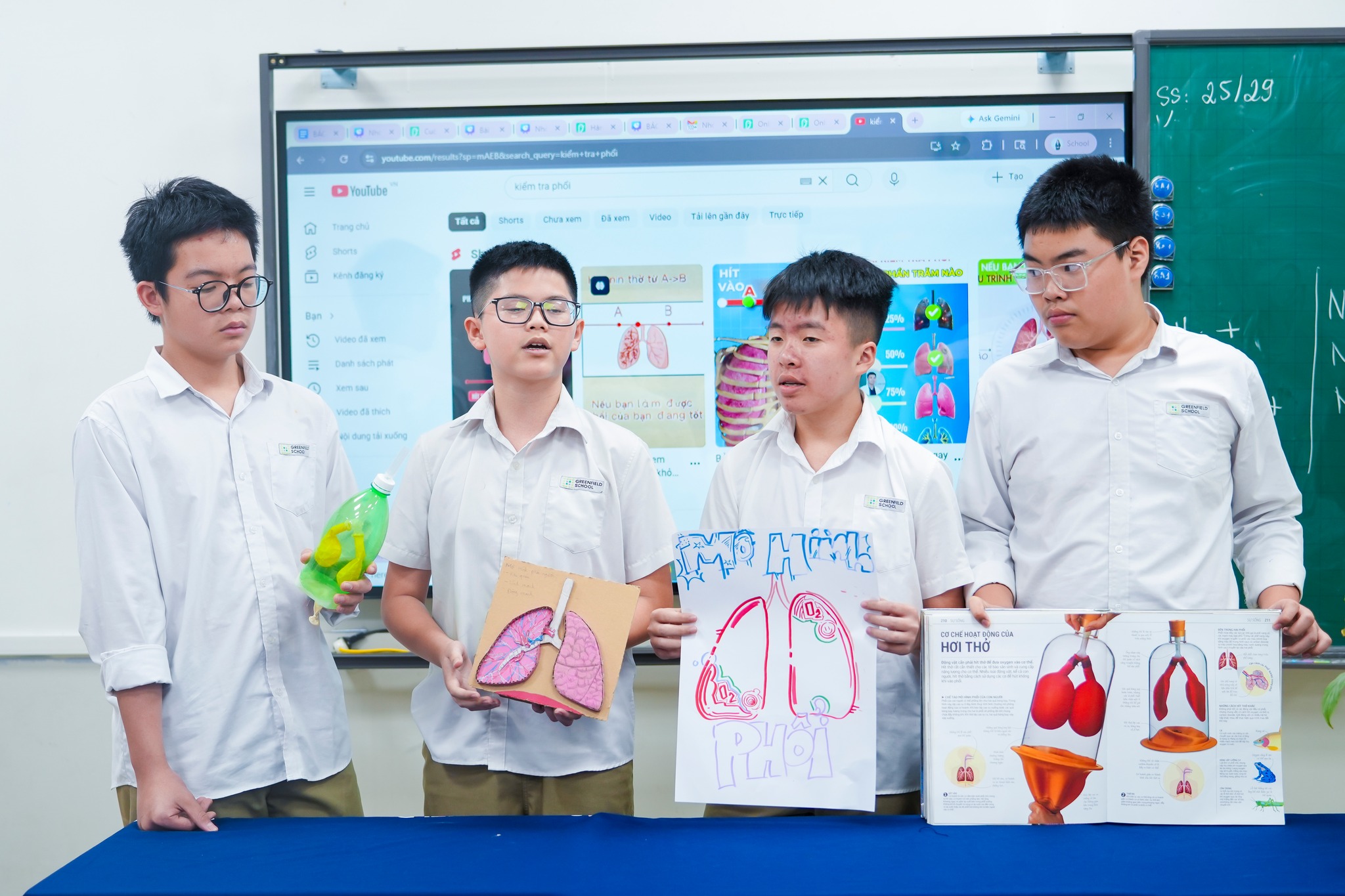
In the scientific storytelling stage, students introduced unique Ehon-style storybooks about different parts of the human body and presented them in class. Students from the Standard program focused on familiar mechanisms such as tooth decay, respiration, and heart function, while students from the Global Citizens Bilingual program and Cambridge International program explored deeper topics such as the endocrine system, reproduction, genetics, and changes during adolescence.
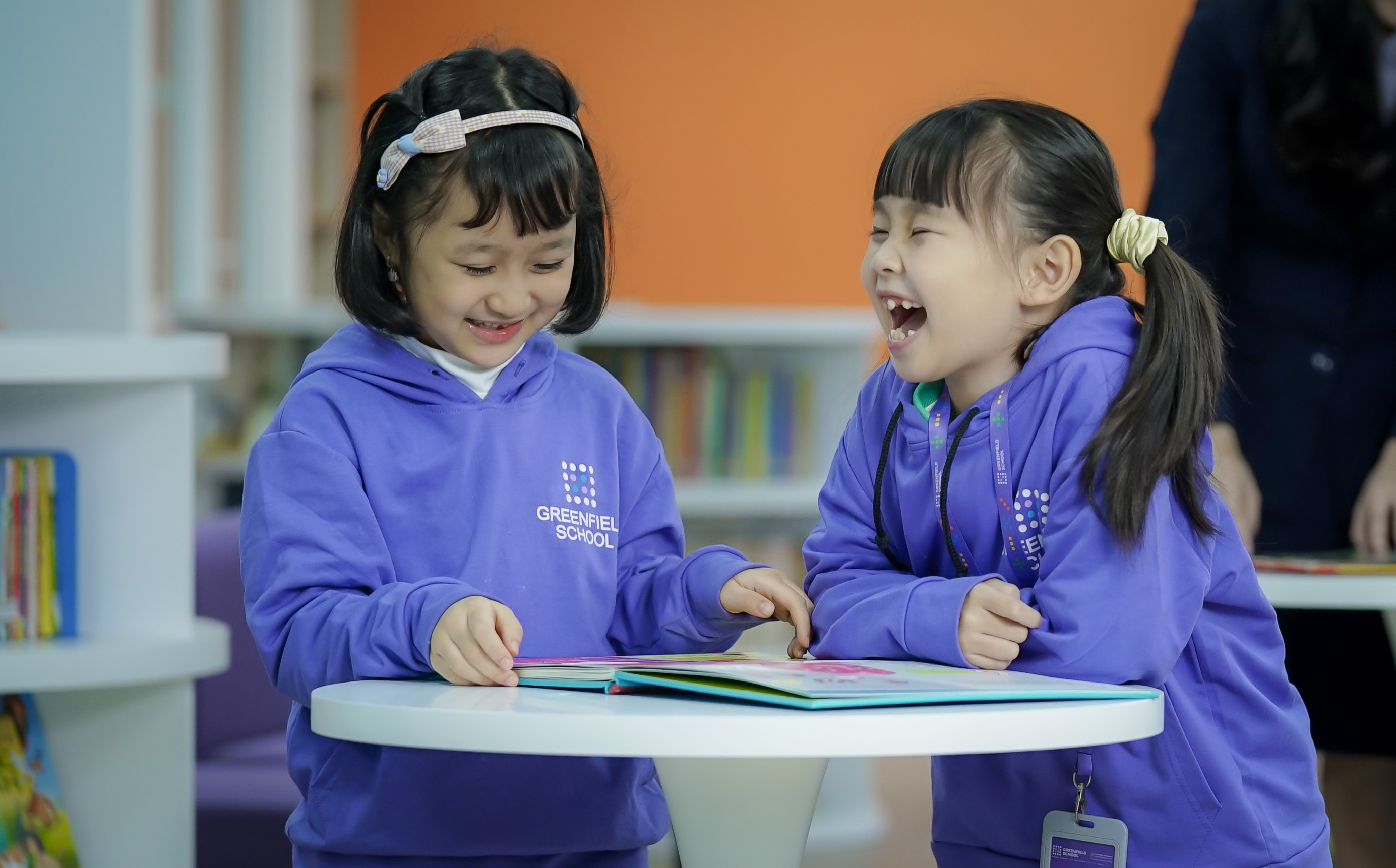
During the presentations, students impressed everyone with their confidence and engaging storytelling, turning scientific knowledge into relatable and accessible stories. Interactive Q&A sessions and quizzes were thoughtfully integrated, helping classmates review knowledge while creating a lively learning atmosphere and strengthening interaction between presenters and participants.
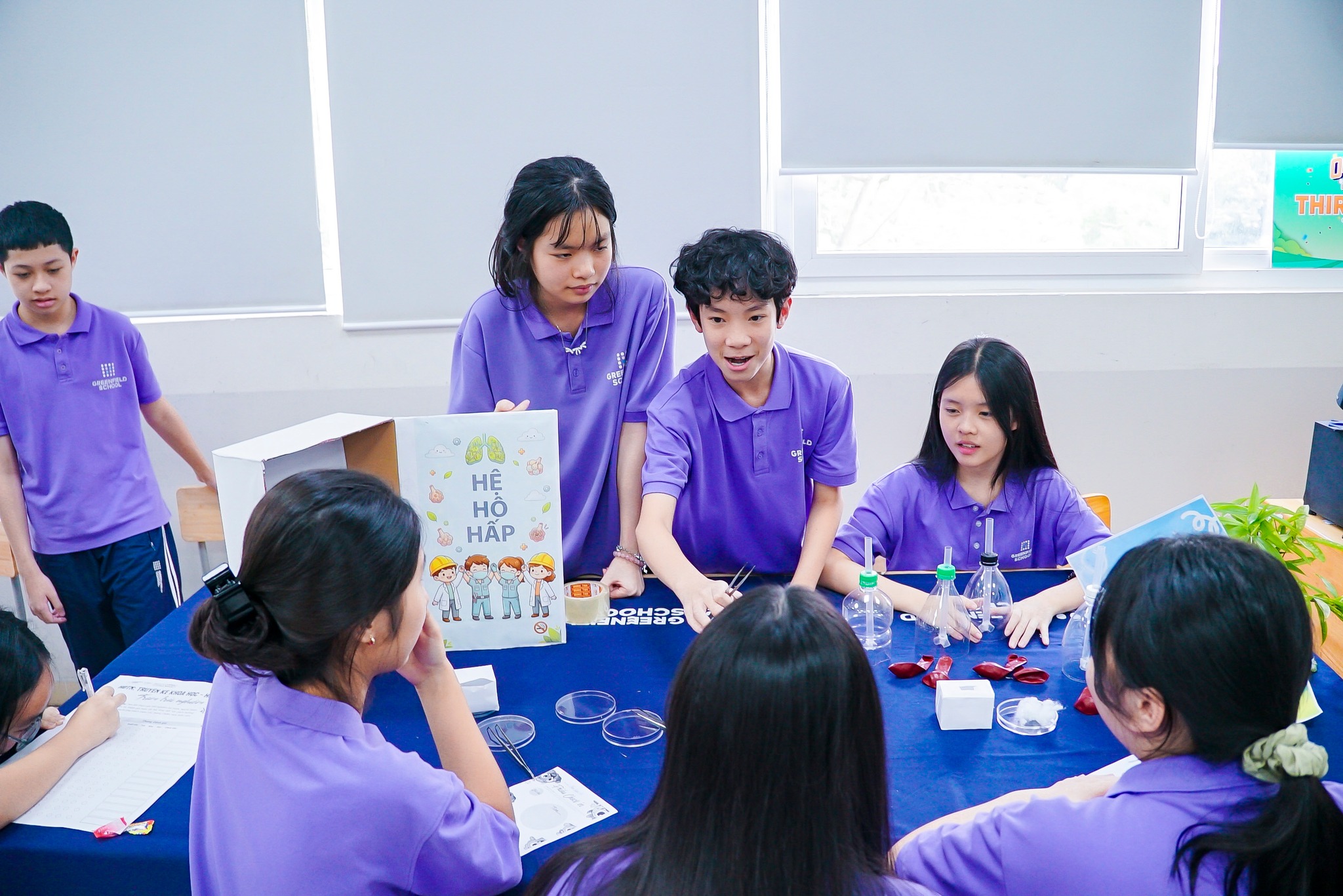
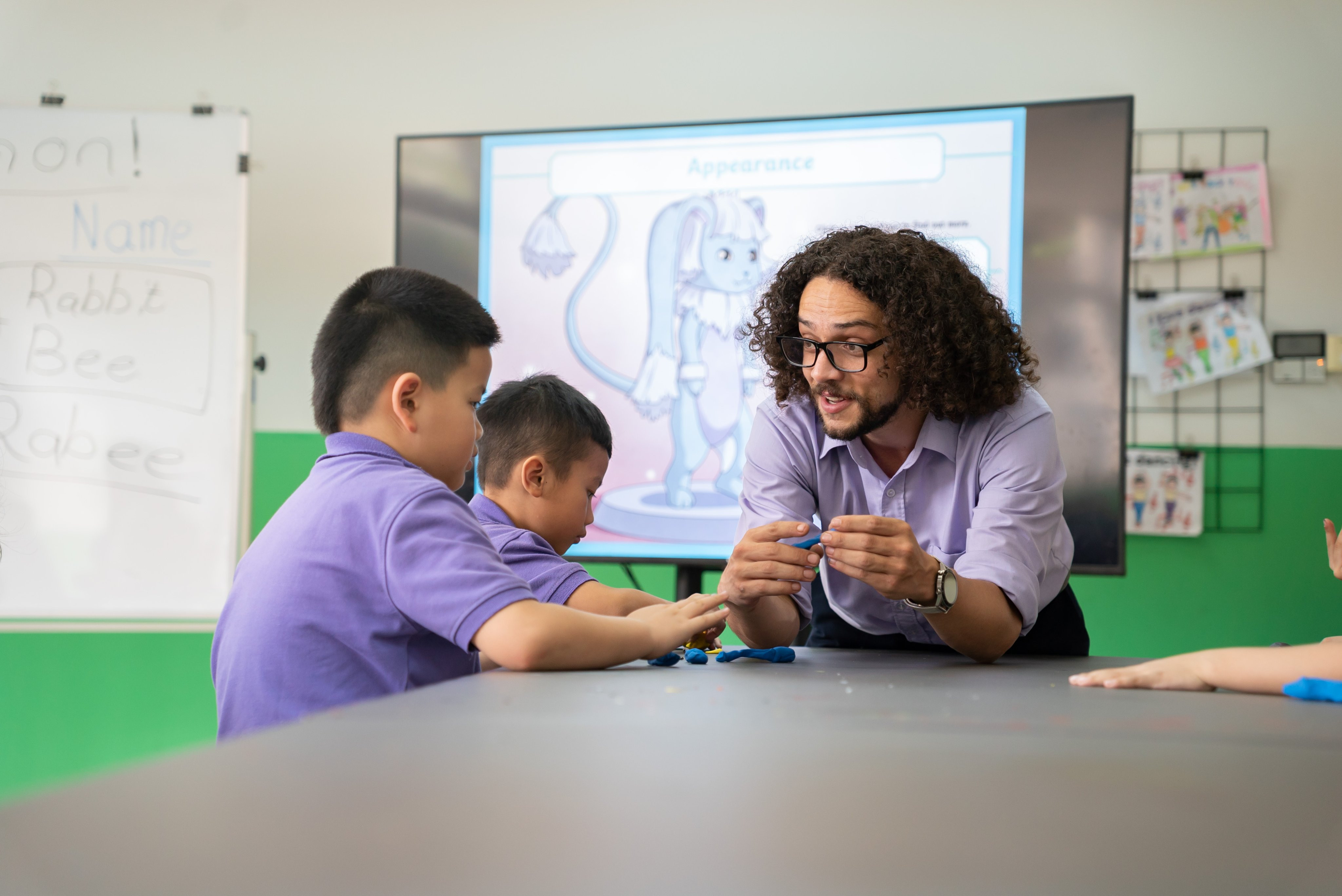
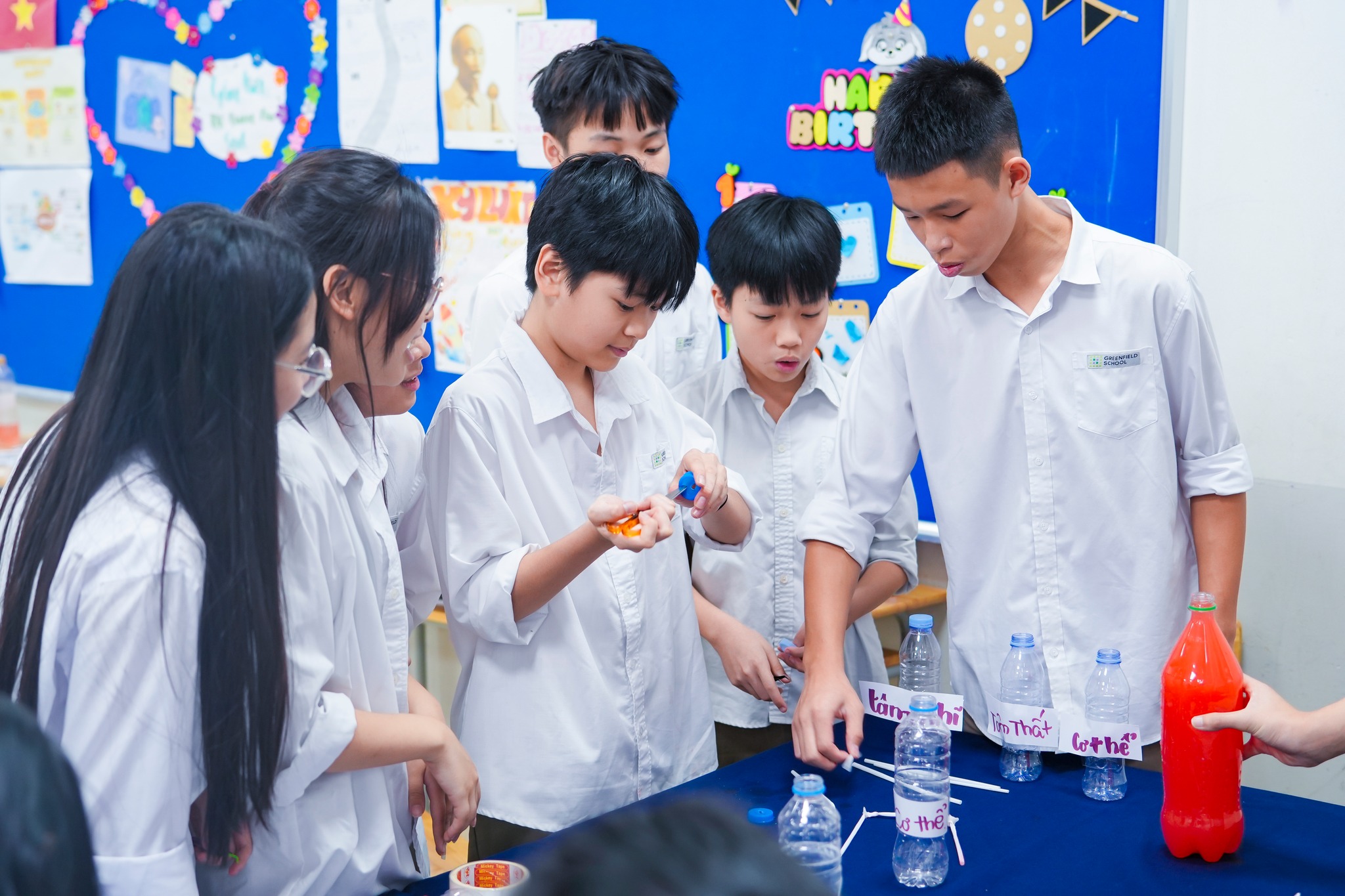
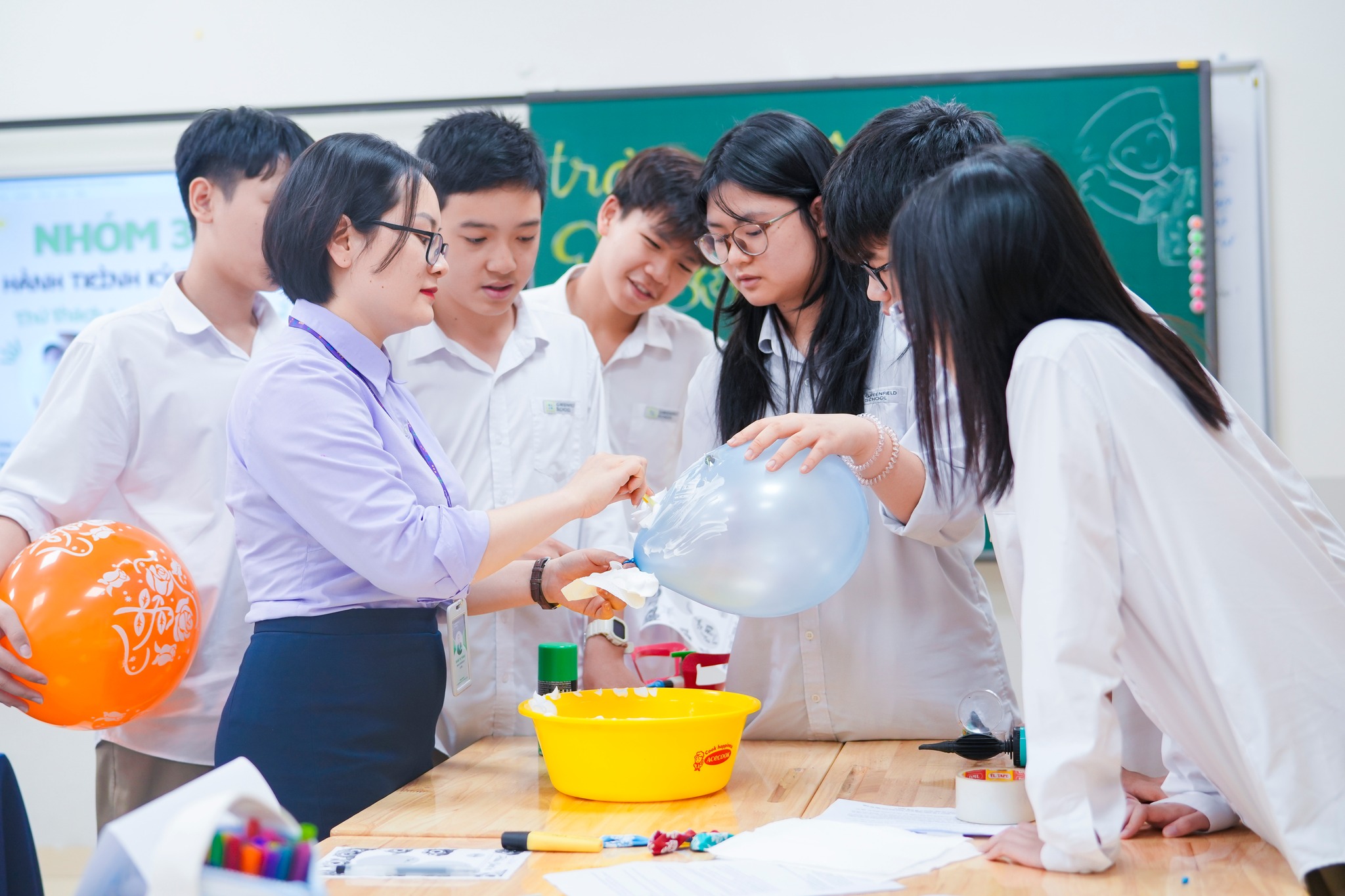
In the experiential stage, scientific knowledge was brought to life through practical activities. Students used eggshells to simulate how tooth enamel is affected by acids or substances in soft drinks; built lung models using plastic bottles and balloons; measured heart rates before and after exercise; and created heart pump models using water.
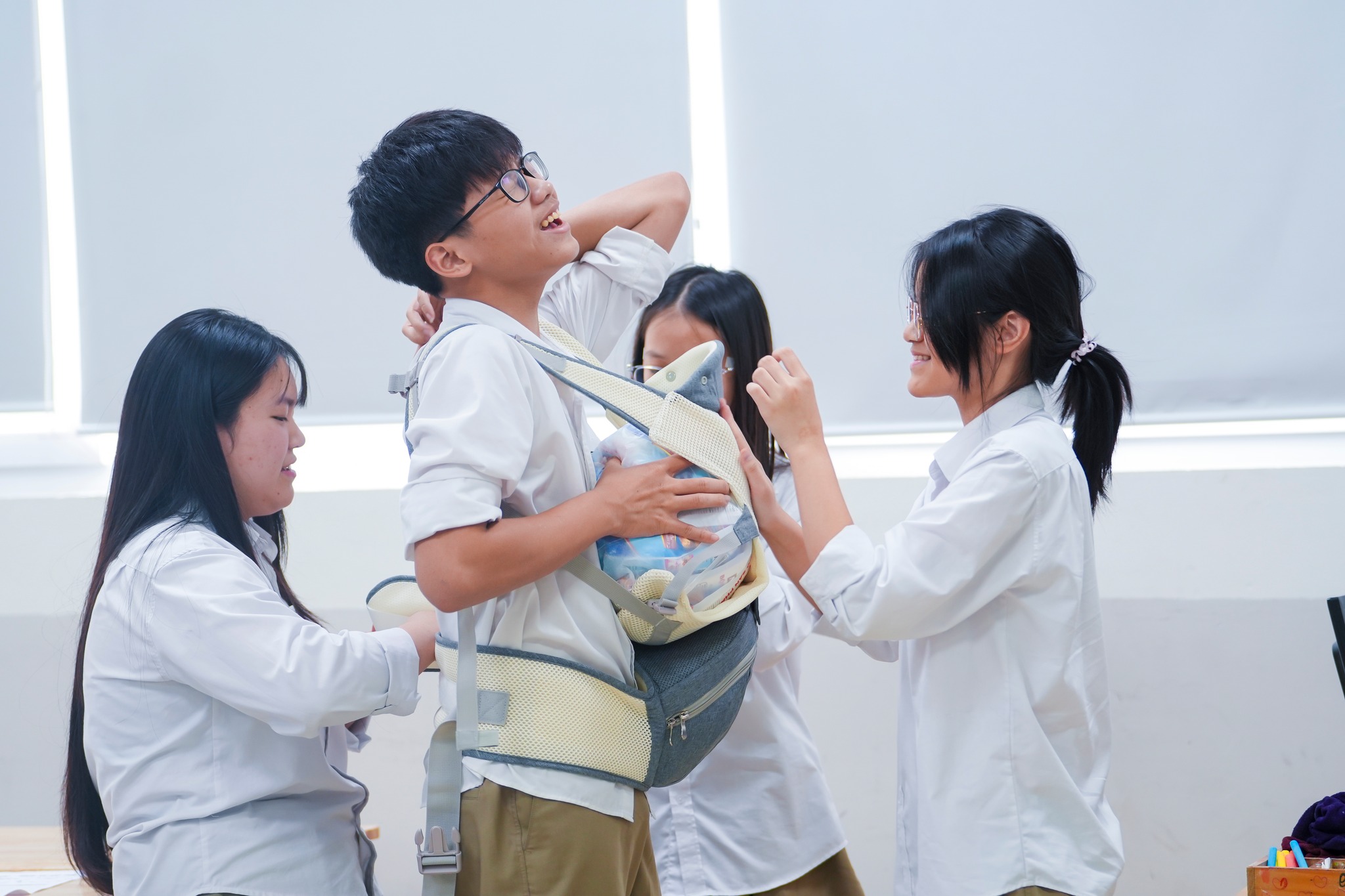
Other activities included a hormone wheel simulating body cycles, the “5kg of Love” challenge to help students experience aspects of pregnancy, and a “voice frequency” activity to compare pitch variations. Beyond presenting knowledge, teams also directly facilitated games, allowing participants to learn through hands-on experience in an engaging and intuitive way.
The journey of “Scientific Storytelling – Understanding the Human Body” has concluded, leaving many memorable impressions with fascinating and useful scientific insights. Greenfield School believes that through this preliminary round, students not only strengthened their understanding of the human body but also developed storytelling, presentation, and explanatory skills, while enhancing awareness of health care and a scientific lifestyle.
Thirteen outstanding teams advancing from the preliminary round will move on to the final stage, featuring three challenges: Scientific Storytelling, Scientific Exploration, and Healthy Living Ambassador. Stay tuned for the results and the final round on May 14!
Share:
Related news
![[Donut Bully] "Words and Scars" Workshop: Helping students plant seeds of kindness through thoughtful words](https://greenfieldpalmgarden.edu.vn/upload/news/original/news-1791953805.jpg)
24.09.2026
Through engaging interactive activities, the program taught Grade 1–3 students how to manage negative emotions, practice positive communication, and cultivate kindness within the school environment.
19.09.2026
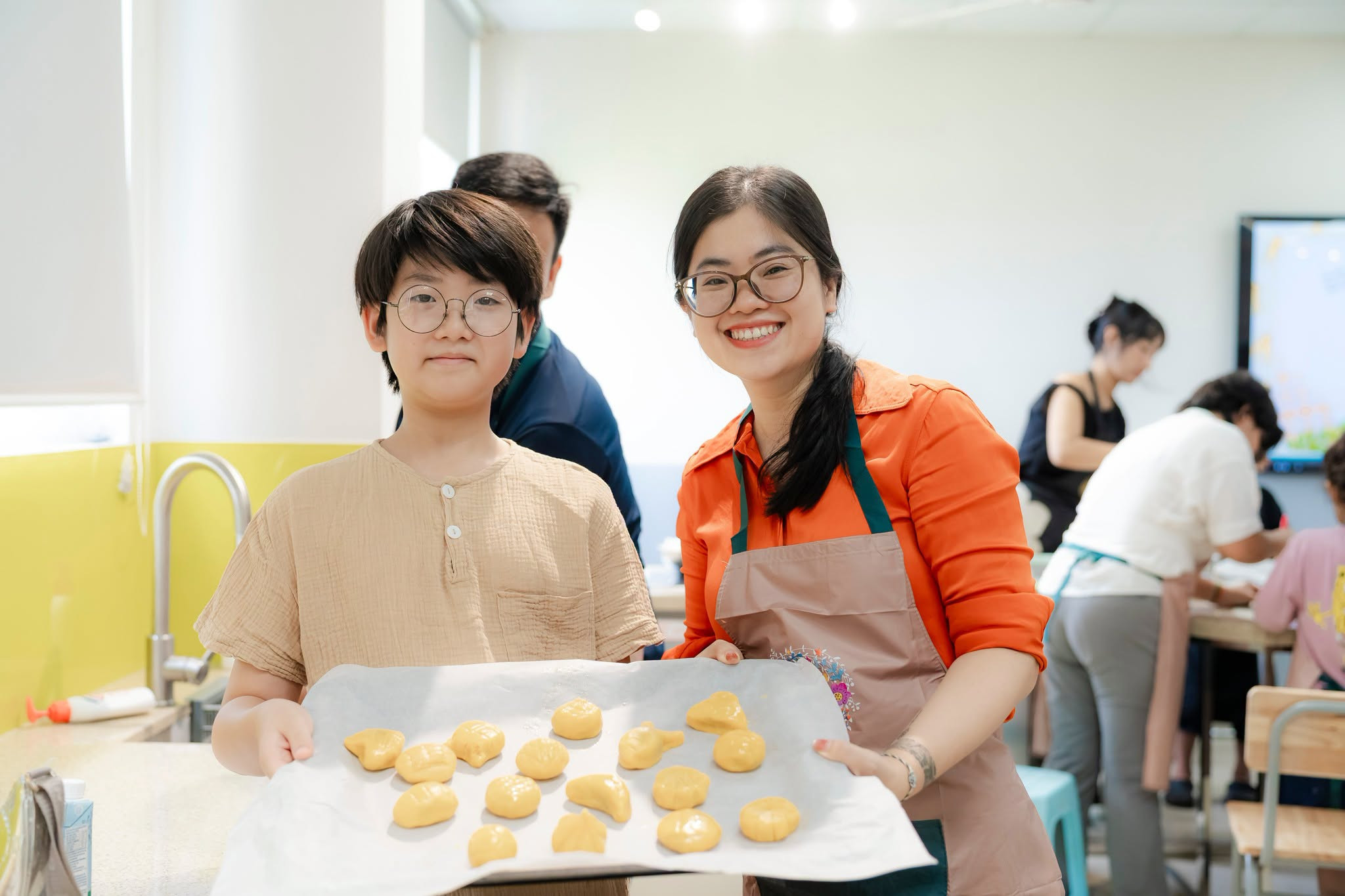
The pineapple cake baking activity offered parents and students the chance to become "bakers" for a day, while fostering deeper connection and mutual understanding within families.
18.09.2026
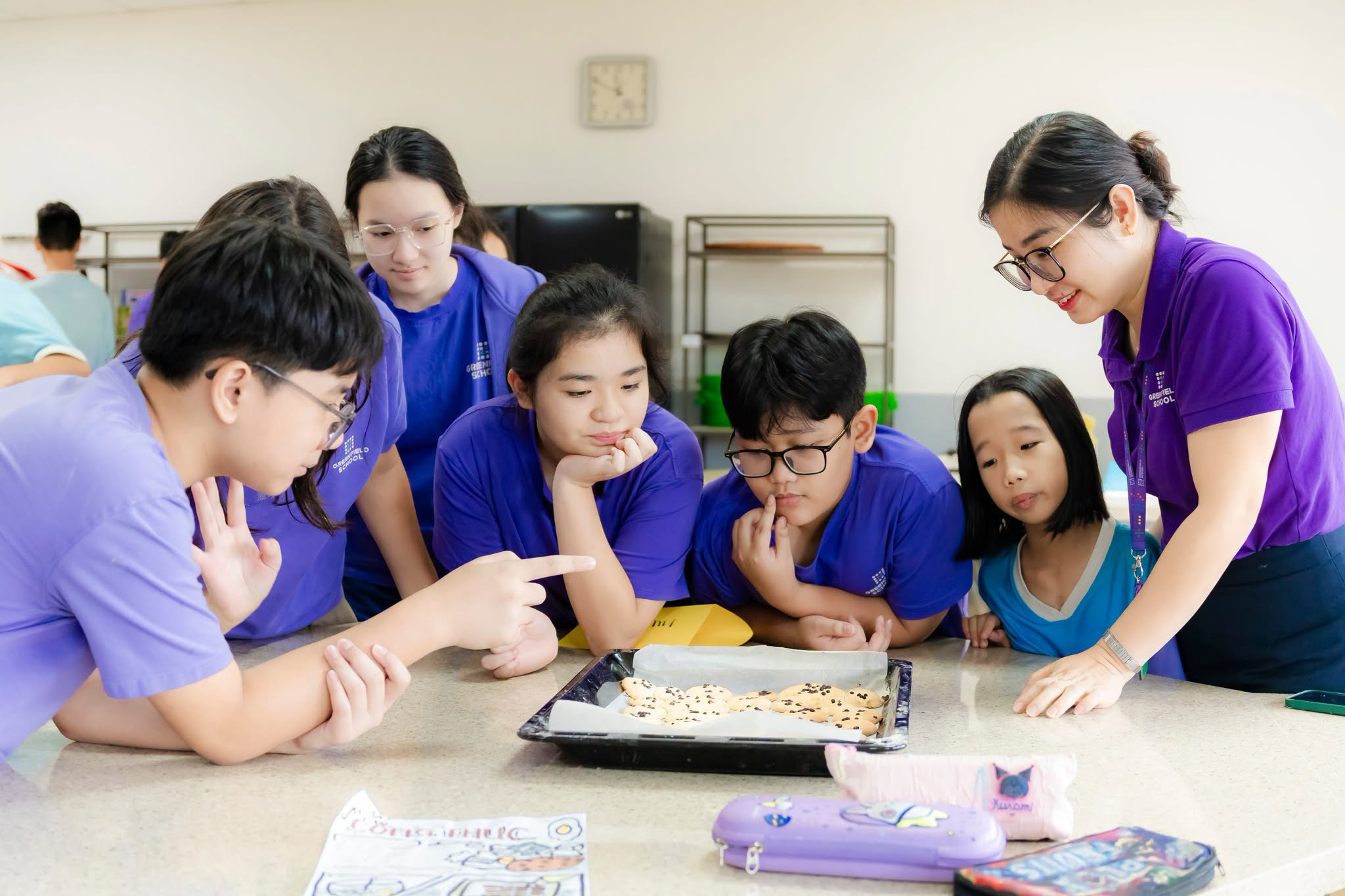
Grade 7 students enthusiastically applied their knowledge of direct proportions and rational number multiplication to hands-on baking, sharpening their logical thinking and problem-solving skills.
18.09.2026
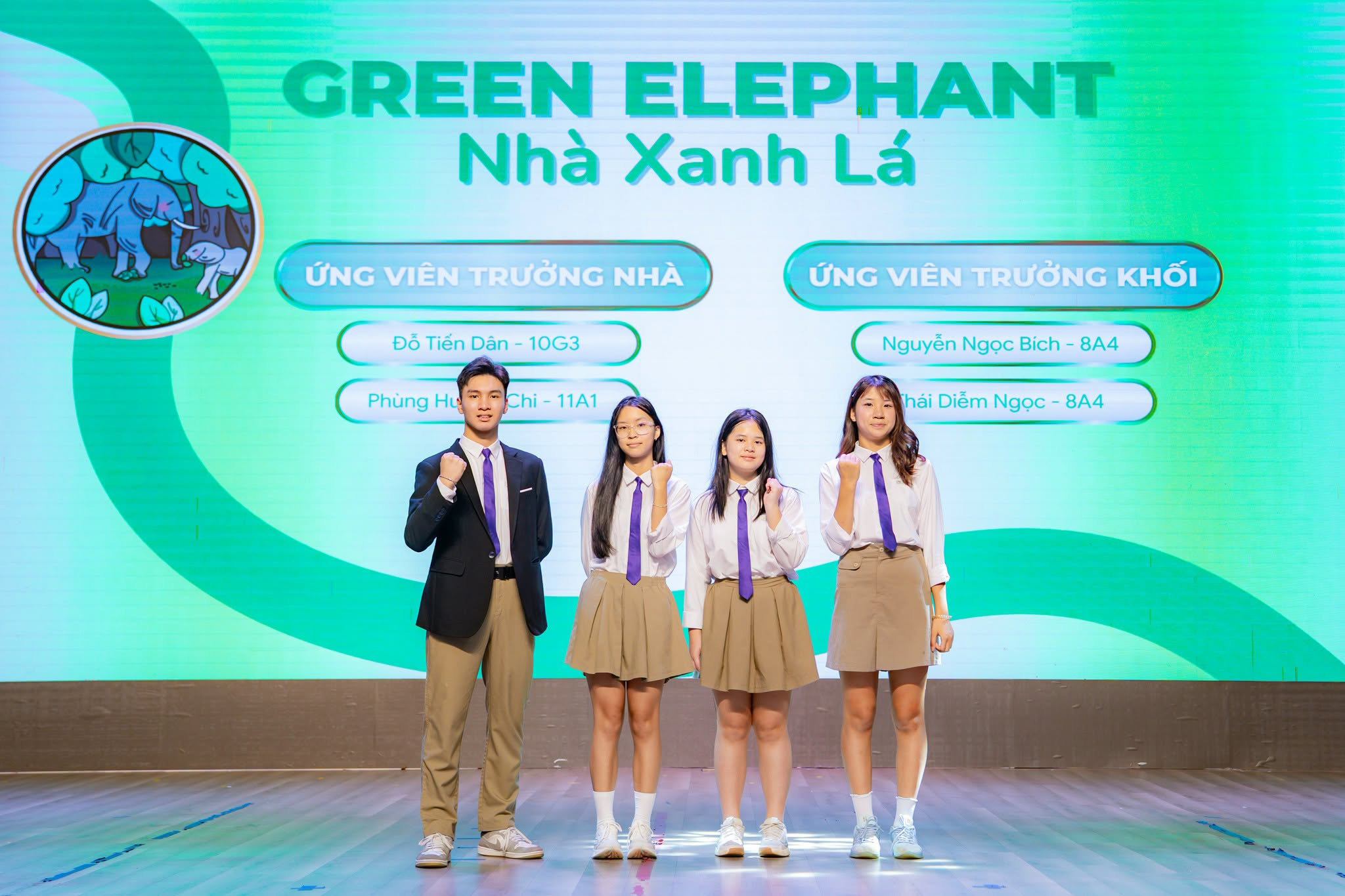
During the hour-long session, candidates delivered speeches detailing their personal inspirations, strategic visions, and practical solutions to address student community concerns. Their presentations underscored a deep desire to build a cohesive, thriving student body, showcasing creative thinking and leadership readiness.
 APPLY
APPLY
 VISIT
VISIT
 INQUIRE